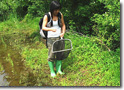
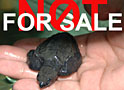
Previous Updates
|
 |
October 2017
Join ESI and over 1 million citizens who have already signed the petition to the European Commission to stop neonicotinoid pesticides responsible for the deaths of millions of bees in Europe and around the world. Sign petition here!
|
 |
August 2014
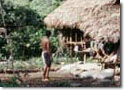
Working closely with indigenous people to ensure that their voices are heard and defended while protecting endangered species.
Check out our photo gallery
|
 |
February 2014
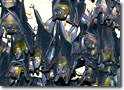
European bats and large carnivores return, sharks and rays highly threatened, and fisheries in serious trouble. Read more here!
|
 |
March 2013
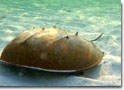
Asian horseshoe crabs and pangolins need our help. Read here why!
|
 |
January 2013
We don't mess around and step up in the field undeterred by the harsh conditions to save wild gorillas. Check out our progress here!
|
 |
October 2012
Write a review! It's simple and takes only 1 minute. You can share with others just how effective, dedicated and hardworking you know we are. Help us spread the word about endangered species and wilderness and the work we do to in the field to save them. Write your review here at GreatNonprofits.org !
|
 |
May 2012
Groupon’s earth day challenge needs your support! We are teaming up with Groupon’s earth day challenge to raise money for endangered species and gorillas! The organizations that raise the most win prize, help us win $25,000! Deadline is May 15!
|
 |
October 2011
The Zoo Boise Conservation Fund selected Endangered Species Internatioanl as one of the eight finalists. VOTE NOW to support our project to save endangered primate (tarsier) and rainforest, it takes only 5 minutes!
|
 |
March 2011
The Philippines gives ESI go-ahead for research and conservation project on tarsier in the island of Mindanao, Phillippines.
|
 |
February 2011
ESI welcomes the International Year of Forests (Forests 2011) launched on February 2, 2011 by the United Nations General Assembly. Throughout this year, ESI will double reforestation activities and make sure that forests get more protection on the ground! Join us now!
|
 |
August 2010
Fragile desert tortoise in decline. Learn why!
|
 |
June 2010
Wildlife encounters. Meet some of the amazing animals we encountered during our field conservation activities.
|
 |
February 2010
European officials are increasing pressure for an international ban on the commercial fishing of threatened bluefin tuna, a position fully supported by ESI.
|
 |
June 2009
Tell your representatives to support the EPA to ban the use of the dangerous herbicide atrazine from the U.S. market! Take action now!
|
 |
May 2009
ESI is expanding its actions to save the rainforest and endangered animals. Join us for direct impacts on the ground!
|
 |
April 2009
905 recent known extinct species and hundreds of thousands suspected to have vanished forever! Check out our up to date list of recent extinct species!
|
 |
March 2009
The endangered Kagu Rhynochetos jubatus from New Caledonia is slowly recovering from decades of sharp decline! Read more!
|
 |
February 2009
We estimated about 300 gorillas killed a year for the bushmeat market in Southern Congo. Commercial bushmeat hunting is killing great apes faster than their habitat can be cut down! Visit our photo gallery to learn more!
|
|
January 2009
The survival tipping point of the bluefin tuna has been reached! The increasing rarity of bluefin tuna and worldwide sushi madness are driving the bluefin to the brink of extinction. Read more!
|
 |
December 2008
ESI welcomes the new Brazilian plan to cut the Amazon destruction in half. It is a major step and it will reinforce our work to protect rainforest, biodiversity, and indigenous people.
|
 |
November 2008
Illegal bushmeat hunting is not slowing down in Central Africa! In Congo our local team discovered various illegal endangered animals for sale. Take action!
|
 |
October 2008
Join us on October 4th at the Wildlife Conservation Expo in San Francisco and discover our new campaign to save endangered species and wild habitats.
|
 |
September 2008
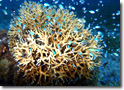
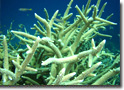
An alarming fact: 231 of the 704 coral species are threatened. Losing coral reefs is not acceptable as they provide tremendous benefits to local communities and environment. ESI is now actively engaged in restoring and protecting coral reefs.
|
 |
July 2008
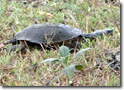
ESI has successfully completed surveys and conservation awareness of the critically endangered Dahl's Toad-headed Turtle (Batrachemys dahli) in Colombia and found additional wild populations. More research and conservation activities will be on the way soon to protect this unique turtle species and its habitat. The Dahl's Toad-headed Turtle is one of the most endangered turtle in the world!
|
 |
June 2008
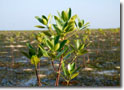
We have already planted thousands of mangrove trees or rainforest by the sea to protect costal line, improve fish diversity, and fight global warming. More trees will be planted throughout the year! Discover our mangrove project!
|
 |
May 2008
ESI is strengthening its effort to protect rainforests around the world. Through a new partnership with Stopdodo.com, a global portal for environmental jobs, ESI can better save biodiversity and fight global warming!
|
 |
March 2008
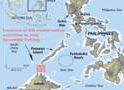
ESI is launching a new aggressive initiative to stop dynamite fishing between Malaysia (Borneo) and southern Philippines (Palawan). “We are implementing a new approach that was not explored by other NGOs in this region, it is time to stop illegal dynamiting of our prestigious marine life” ESI president Pierre Fidenci. Learn more here!
|
 |
February 2008
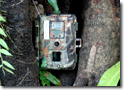
ESI is launching a program to survey poorly known endangered species and discover new wildlife species in remote areas of Papua New Guinea and the Philippines. Remote cameras powered with solar energy and equipped with infrared triggers are used to obtain critical data to save wildlife and their habitats.
|
 |
January 2008
The creation of the community-based natural reserve to protect the endangered African manatee is underway. The reserve will protect known key breeding, feeding, and refuge habitat of the manatee in Senegal! ESI wildlife conservationist Tomas Diagne is in the field working closely with all communities.
|
 |
December 2007
Endangered Species International has adopted the carbon free emission for all our conservation activities on the ground. No matter where we are in field, from now on we will use the cleanest technology to generate our own potable electricity directly from the sun. No more electricity from non-renewable energy sources to save endangered species worldwide! Learn more!
|
 |
November 2007
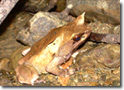
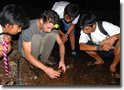
Endangered frog found! The Palawan horned frog (Megophrys ligayae) was observed at night by ESI during conservation activities in the rainforest of Palawan Island, Philippines. ESI biologists believe the Palawan horned frog was engaging breeding activities along a small stream in a remote area.
|
 |
October 2007
Come and enjoy the conservation lecture given by ESI President Pierre Fidenci, November 7, 2007 at the San Francisco Zoo. Through a fresh look of various field conservation activities to save endangered wildlife, you will discover endangered turtles, many fascinating elusive amphibians, a unique wilderness, and vanishing indigenous cultures of the southern Philippines.
|
 |
October 2007
ESI has signed the Forests Now Declaration, a campaign to highlight the importance of forest conservation for biodiversity, human livelihoods, and the fight against climate change. Deforestation accounts for some 18-25% of global carbon emissions, second only to the use of fossil fuels.
|
 |
September 2007
Save the date! Come to visit us at the Wildlife Conservation Expo Day October 6th at the Mission Bay Conference Center in San Francisco and discover our wildlife conservation projects. Meet world-class wildlife conservationists including Dr. Jane Goodall. Click here for more information!
|
 |
August 2007
View a unique rescue operation to save African manatees stranded into shallow seasonal waters formed by the creation of dams in Senegal. Endangered Species International is engaged in future rescue operations by developing unique local conservation awareness activities. View photo gallery here!
|
 |
July 2007
A large number of western pond turtles gather close to the shoreline of a pond in California to feed on microscopic phytoplankton and zooplankton. This rare turtle feeding behavior was captured for the first time on video by ESI, now you can view it here!
|
 |
June 2007
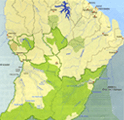
The Amazonian national park is finally born in French Guyana after more than 15 years of study, propositions, reviews, and debates. The park includes an area of 3.4 million hectares (bigger than Belgium) and aims to protect more than 2 millions hectares of primary rain forest with about 7,000 people inhabiting the area. It constitutes one the largest terrestrial protected area in the world with the National Pak of Tumucumaque in Brazil. ESI has worked in the region and will encourage its success in safeguarding biodiversity!
|
 |
May 2007
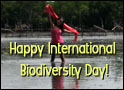
May 22, Happy International Biodiversity Day! It is time to add new simple and effective resolutions to save biodiversity!
Check out our tips how you can help biodiversity!
|
 |
May 2007
ESI has joined the Countdown 2010 Save the Biodiversity a powerful network of active partners working together towards the 2010 biodiversity target. Each partner commits additional efforts to tackle the causes of biodiversity loss by encouraging and supporting the full implementation of all the existing binding international commitments and necessary actions to save biodiversity.
|
 |
May 2007
Our project to save endangered turtles in Colombia is now supported in parts by funds from the PADI Foundation. The PADI Foundation encourages sensitivity to and protection of underwater life. The project will start this year and will have concrete results within a year!
|
 |
April 2007
We are happy to announce the creation of Our Videos! Our videos present very short produced documentaries from all over the world with one common goal: enhancing knowledge and passion to save biodiversity! You can learn about endangered species and our conservation activities throughout our unique video recordings! The first field videos will be available online in just few days!
|
 |
March 2007
ESI is launching a program to assess the natural state of Balabac Island about 100 km north of Borneo. Balabac is home of many rare endemic species including the Philippine mouse deer or Pilandok (Tragulus napu nigricans), the world's smallest ungulate. ESI President Pierre Fidenci has met with local decision makers and stakeholders to discuss conservation actions and encourage sustainable living. Further, ESI staff started to conduct biological assessment in remote areas of the island. Saving the irreplaceable is our mission!
|
 |
February 2007
ESI President, Pierre Fidenci, along with three indigenous people is currently exploring deep mountainous forests
of the forgotten southern Palawan Island, Philippines. The goal of this mission is to search for the rare
Philippine forest turtle, evaluate ecosystem conditions, and establish indigenous support activities where
fragile unique ecosystem and culture still remain. He is crossing through unexplored and virgin forests valleys,
foothills, and high mountains (up to 1,500 m) starting from the Sulu Sea coast all the way to the China Sea coast.
At present he is staying with one of Tao't Bato indigenous people village at an altitude of about 700 meters.
This expedition is very physically challenging and risky (various types of malaria, difficult terrains with no roads and
trails); we wish him good luck!
|
 |
February 2007
ESI is launching "the Tao't Bato indigenous people home land and culture support initiative". Through several
expeditions in the deep mountains of southern Palawan, Philippines, ESI staff has assessed some terrible damages
on the native home lands of the indigenous people. ESI is committed to acting now and restoring their cultural and
natural heritages and stop further pillages of their resources. As part of the initiative, we will be removing
graffiti from vandalism at their living caves and will be working closely with all concerned authorities and organizations
to better control and restrict the access to their mountainous home land. Support us now and make a difference!
|
 |
January 2007
ESI with the collaboration of the Bp Conservation Programme, the Wildlife Conservation Society,
and Palawan State University organized a GIS (Geographic Information Systems) training for the young
conservationists of the Philippines. The training occured in Puerto Princesa, the capital of the island of
Palawan. The course provided young local conservation biologists with an opportunity to learn how
GIS can be used to assess the conservation status of endangered species. They learned how to conduct a
regional conservation assessment using GIS to determine critical conservation areas for an endangered species
and to use landscape analysis to determine optimal landscape configurations for conserving endangered species.
Learn more here!
|
 |
December 2006
ESI is happy to announce the creation of Field Podcasts. Experience and learn online about endangered wildlife
throughout our podcasts recorded directly from the field around the world. Podcasts will include unique nature
sounds (e.g., frog calls), interviews with wildlife biologists and indigenous people, or one day live recording
from our conservation efforts on the ground. Some of the podcasts will also include free online materials that
will help you to improve your knowledge on wildlife conservation. It will be another way for you to check how
your donation works towards saving nature. The first field podcasts will be available
online beginning of 2007.
|
 |
July 2006
ESI understands the vital need to enhance environmental communication and education in the developing world.
We are creating a web site for the Biodiversity Center of Palawan State University to increase their exposure and support their biodiversity activities.
Education is a key component to stop the trend of species extinction around the world.
Visit our environmental communications projects!
|
|
June 2006
Endangered Species International discovered new populations of the critically endangered Dahl's
toad-headed turtle in Colombia. Find out more about it. Colombia has one of the greatest biodiversity in the world.
However, the current number of endangered and threatened species is alarming. More than 100 species are
critically endangered, more than 200 species are endangered, and the status of more than 180 species is unknown.
|
 |
May 2006
EIS is launching a comprehensive program to stop illegal wildlife trading of endemic endangered
species found in remote areas of Asia. Endangered species found in remote places can suffer from
tremendous illegal collecting and their populations can be depleted at an alarming rate. Learn more here.
|
 |
January 2006
Meetings with the Dean and Faculty of the College of Science at Palawan State University.
Agreements where made to train students in field work and to appoint a field leader to take
charge in this one year program to assess the state of the Phillipine Forest Turtle. Click Here to learn more!
|
| |
Materials on this website are Copyright by Endangered Species International, Inc. all rights reserved.
Donate! |
Site and Image use! |
Photo Credits! |
Contact Us! |
Home!
|
|